Old Bowenpally, Secunderabad Mon–Sat 10 AM–8 PM · Sun 10 AM–4 PM drrajushomeopathy@gmail.com Video consultation available

Homeopathy Treatment for Digestive and Liver Disorders in Hyderabad

Important: Evidence supporting homeopathy for specific health conditions is limited. This information does not replace diagnosis or prescribed treatment. Continue care with your treating physician.

Acidity and acid reflux occur when the valve between the food pipe and the stomach fails to close fully, allowing stomach acid to move back up and cause a burning sensation in the chest and throat. The discomfort is most common after meals, on lying down, or during the night, and it often leads to regular antacid use, sometimes daily, with a supply kept at home, in the car and at work. Cutting out spicy food, late dinners or entire meals may bring some relief, but the underlying cause typically remains unaddressed.

For other patients, the difficulty lies lower in the digestive tract. Bowel habit can dominate the day: an urgent need to reach the toilet soon after waking, bloating that worsens by evening, or bleeding during bowel movements. These symptoms are often present for years before a patient raises them with a doctor, in part because they can feel difficult to discuss.

Digestive and liver complaints are among the most common conditions treated at our Old Bowenpally clinic. Dr. Ravinder Raju has more than twenty-five years of experience treating them with homeopathy, reviewing endoscopy, ultrasound and liver reports together with a detailed history of diet, meal timing and stress. The goal is digestion that functions normally again, not long-term dependence on antacids.

Digestive & Liver Health homeopathy treatment at Dr Raju's Homeopathy, Hyderabad

Digestive & Liver Health conditions we treat

Acidity / GERD

In reflux, the valve between the food pipe and the stomach stops closing properly, so acid travels back up and burns the chest and throat, especially after a heavy meal or on lying down. Long hours between meals, late dinners, tea on an empty stomach, painkillers and stress all keep the cycle going, and years of daily antacid use treat the symptom without addressing the underlying cause.

Common signs

  • Burning in chest or throat after meals
  • Sour taste, belching, nausea
  • Worse lying down or with spicy food

When to consult: If antacids have been needed weekly for several months, or the burning now disturbs sleep at night, the underlying cause should be evaluated.

Irritable Bowel Syndrome (IBS)

Irritable bowel syndrome is a genuine and exhausting condition in which the bowel is oversensitive and its movement poorly co-ordinated, causing cramps, bloating and stools that alternate between loose and hard. Test reports are usually normal, which is why patients are often told nothing is wrong, when in fact their daily routine is shaped around access to a toilet.

Common signs

  • Cramping relieved after passing stool
  • Urgency in the morning or after meals
  • Mucus in stool, bloating

When to consult: If travel and food choices are being made around bowel symptoms, or cramping has persisted for more than a few months, a consultation is advisable.

Indigestion and Bloating

This is the heaviness that begins a few bites into a meal, the gas that builds through the evening, and belching that brings little relief. It usually points to weak or slow digestion, irregular eating, a food that does not agree with the patient, or stress affecting the stomach, and it generally responds well once the underlying pattern is understood.

Common signs

  • Feeling full after small meals
  • Gas, rumbling, belching
  • Heaviness after eating

When to consult: If a normal meal now causes hours of discomfort, or foods are being avoided one after another to manage symptoms, treatment is advisable rather than continued dietary restriction.

Constipation

Fewer than three bowel movements a week, straining, or a persistent sense of incomplete emptying should not be accepted as normal, and daily laxative use tends to make the bowel more sluggish over time. Low fibre intake, inadequate water, sedentary work, travel and habitually ignoring the urge to go are common causes, and long-standing constipation also leads to fissures and piles.

Common signs

  • Passing stool less than three times a week
  • Straining, hard stools
  • Feeling of incomplete evacuation

When to consult: If a laxative, powder or enema is now required to pass stool, or if there is bleeding, evaluation is advised before the condition progresses to a fissure or piles.

Gastritis and Ulcers

Gastritis is inflammation of the stomach lining, and an ulcer is an open sore within it, typically caused by H. pylori infection, regular painkiller use, alcohol, or prolonged stress and missed meals. The characteristic pattern is a gnawing pain in the upper abdomen that occurs on an empty stomach or at night and eases briefly after eating; treatment aims to heal the lining rather than repeatedly numb the pain.

Common signs

  • Burning pain in upper abdomen
  • Nausea, loss of appetite
  • Pain empty stomach or at night

When to consult: Recurring burning pain in the upper abdomen, or a positive H. pylori report, should be treated promptly; vomiting of blood or black stools requires emergency care the same day.

Piles, Fissures and Fistula

Piles are swollen veins in the rectum, a fissure is a small tear in the anal lining that makes passing stool feel sharply painful, and a fistula is an infected tract that discharges. Nearly all of these follow years of constipation and straining, so treatment addresses the bleeding, pain and swelling together with the underlying bowel habit; many patients improve well with medicines, though where a fistula is complex or piles are advanced, a surgeon's opinion is the appropriate next step and will be recommended.

Common signs

  • Bleeding or pain while passing stool
  • Swelling or lump at the anus
  • Itching, discharge, constipation

When to consult: Bleeding during bowel movements should not be assumed to be ordinary piles; early examination and treatment are recommended rather than waiting until pain becomes severe.

Fatty Liver

Fatty liver occurs when fat accumulates within the liver cells, usually alongside weight gain, diabetes, high cholesterol or alcohol use, and it is often discovered incidentally on a scan performed for another reason. It produces few symptoms in its early stages, which is exactly why early action matters: at grade one and two, the liver retains a genuine capacity to clear that fat with treatment and consistent lifestyle change.

Common signs

  • Heaviness in the right upper abdomen
  • Raised SGOT / SGPT on reports
  • Fatigue, weight gain

When to consult: If a scan has shown fatty liver, or SGOT and SGPT are raised on a routine report, treatment is best started early, while the condition remains at a manageable stage.

Liver Cirrhosis (Supportive Care)

Cirrhosis is long-standing scarring of the liver resulting from years of hepatitis, alcohol use or untreated fatty liver, and it requires ongoing care from a liver specialist, whose treatment, scans and monitoring must continue without interruption. Care here is offered as support alongside that specialist treatment, focused on appetite, digestion, strength and general well-being, and does not replace anything the hepatologist has advised.

Common signs

  • Jaundice, fluid in abdomen
  • Loss of appetite and weight
  • Weakness, easy bruising

When to consult: New swelling of the abdomen or legs, vomiting of blood, or any drowsiness or confusion should be reported to the liver specialist immediately, as these require urgent hospital care.

Gallbladder Stones

Gallstones are hardened deposits that form in the gallbladder, typically causing pain under the right ribs an hour or two after a fatty or heavy meal, often with nausea and bloating. Homeopathic treatment can help with pain, digestion and the tendency to form stones, but the limits are stated plainly: dissolution of existing stones cannot be promised, and a large stone or repeated attacks are properly a matter for a surgeon's assessment.

Common signs

  • Pain under the right ribs after meals
  • Nausea, bloating
  • Stones seen on ultrasound

When to consult: Severe pain lasting more than a few hours, fever, or yellowing of the eyes together with pain requires immediate hospital assessment.

Jaundice

Jaundice is not a disease in itself but a sign that bilirubin has risen, causing the eyes and skin to turn yellow and the urine to darken, most often following viral hepatitis but sometimes from a blocked bile duct or another liver condition. The cause must be identified first through blood tests and a scan, and treatment is provided alongside proper rest, safe food and water, and the monitoring advised by the treating physician.

Common signs

  • Yellow eyes and skin
  • Dark urine, pale stools
  • Weakness, loss of appetite

When to consult: Yellow eyes accompanied by vomiting, high fever, drowsiness or severe abdominal pain requires same-day hospital assessment; any new jaundice should be investigated rather than treated at home.

How homeopathy approaches this

An antacid relieves acid symptoms for a few hours; it does not address why the stomach is producing so much of it. In a constitutional consultation we review your day in detail: when you eat and when you skip meals, how much water, tea and coffee you take, what a difficult day at work does to your stomach, whether the pain comes on an empty stomach or after food, and what brings relief. Two patients with the same endoscopy report often need different remedies, because the medicine is matched to the person, not only to the report.

The gut and mind are closely connected, which is why worry can tighten the bowel and a poor night's sleep can show up as acidity the next morning. Constitutional treatment addresses this whole picture, helping digestion steady, bowel habit regularise and the stomach lining recover, with diet guidance given alongside the remedy. This is provided alongside your existing treatment, never in place of it. If a gastroenterologist or physician has prescribed antibiotics for H. pylori, a proton pump inhibitor, or treatment for the liver, this should be continued exactly as directed; any reduction is decided only by your own doctor, based on fresh reports.

What to expect at the clinic

The first consultation with Dr. Raju takes about thirty to forty minutes, since a detailed history is central to diagnosing digestive complaints. Patients are asked to bring their endoscopy or colonoscopy report, any abdominal ultrasound, liver function and blood test results, and a list of current medicines, including any antacids purchased without a prescription. The consultation concludes with a remedy along with specific diet and meal-timing guidance for the complaint concerned. Follow-up visits are usually monthly at first, and progress is assessed using concrete measures: the number of antacids needed in a given week, changes in bowel habit, and whether bloating continues each evening. Simple acidity and constipation often improve sooner, while long-standing ulcers, IBS, piles and fatty liver require sustained treatment over several months; no cure or fixed timeline can be promised. Anyone experiencing vomiting of blood, black or tarry stools, severe unrelenting abdominal pain, yellow eyes with drowsiness or confusion, or unexplained rapid weight loss should seek immediate medical care rather than waiting for a homeopathy appointment.

Our clinic is located at Plot No. 4, Sreenidhi Apartments, Manovikas Nagar, Old Bowenpally, within easy reach of Tirumalgiri, Trimulgherry, Begumpet and other parts of Secunderabad. Patients also travel to us from Alwal, Sainikpuri and Kompally. Since digestive treatment benefits from regular monthly follow-up and diet adjustments reviewed at each visit, proximity to the clinic makes it easier to continue care consistently.

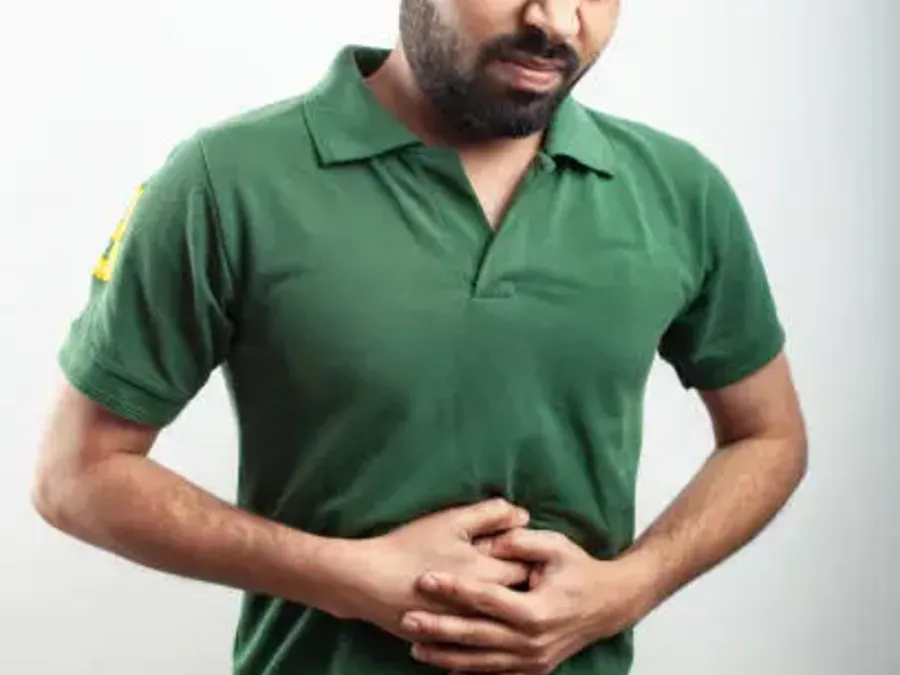
Digestive & Liver Health: your questions answered

My endoscopy showed gastritis and H. pylori. Should I take the antibiotics my doctor gave me?

Yes — the full course should be completed exactly as prescribed, and it should not be stopped early simply because symptoms improve. H. pylori requires that treatment. Homeopathic medicines are given alongside to ease the burning, support healing of the lining, and reduce the likelihood of recurrence once the course is complete. Please bring the endoscopy report to the consultation.

I have taken pantoprazole every morning for years. Can I stop it now?

No — not independently, and not immediately. The medicine should be continued as prescribed; please let us know how long it has been taken and what happens on days it is missed. As symptoms settle over the following weeks, many patients require it less often, but the decision to reduce or stop a prescribed medicine rests with the treating physician.

Can homeopathy help me avoid surgery for piles or a fissure?

Often, yes. Many patients with early piles, and most fissures, improve well with medicines, correction of constipation and simple sitz baths, avoiding surgery. This outcome cannot be promised in every case, however. Where piles are advanced and prolapsed, or a fistula is complex, surgery is genuinely the better option, and that will be stated clearly.

My scan says grade 2 fatty liver and my SGPT is high. Is that reversible?

Early fatty liver generally responds well when treatment and lifestyle change together, and raised enzymes often settle over several months. No specific result or timeline can be guaranteed, and medicine alone is not sufficient: weight, blood sugar control, alcohol intake and regular exercise all play a part. Liver function tests are repeated at intervals so progress can be tracked directly.

Will homeopathic medicine dissolve my gallstones so I can avoid the operation?

It is important to be accurate rather than reassuring on this point. Treatment can ease pain, improve fat digestion and reduce the tendency to form new stones, but dissolution of existing stones cannot be promised. If the stones are large, causing repeated attacks, or the surgeon has advised surgery, that advice should be followed; support for recovery afterward is available here.

All my IBS reports are normal. Does that mean nothing is really wrong with me?

This does not mean nothing is wrong — the cause simply does not appear on a scan. In IBS, the bowel is oversensitive and its movement poorly co-ordinated, so pain, urgency and bloating are genuine even when the colonoscopy is clear. This is precisely the kind of whole-person picture constitutional homeopathy is designed to address, with stress, sleep and meal timing forming part of the treatment.

Patient reviews

5.0 average from 3 Google reviews.

Dr Raju garu is best in Bowenpally area. I took treatment from him and I am fully satisfied with his treatment.
Venkat RamanaGoogle review
The doctor explains things clearly and offers treatment that focuses on the cause and symptoms. I was dealing with chronic allergies and skin issues, and after following the treatment plan I have seen a significant improvement. He gives each patient enough time and attention, which is rare these days.
Janaki VallabhGoogle review
Very effective treatment for thyroid and allergies. Dr. Raju explains everything clearly. Highly recommended in Hyderabad for homeopathy.
Adluri SreeshvarGoogle review

Book an appointment for digestive & liver health

Fill this in and we will call you back to confirm a time. You can also call or WhatsApp us directly.

  • Consultations Monday to Saturday, 10 AM to 8 PM. Sunday till 4 PM
  • Old Bowenpally, opposite Manovikas Nagar, easy parking
  • Living outside Hyderabad? Ask about a video consultation

Or just call. We answer during clinic hours.

This is a request, not a confirmed slot — we will call to confirm the time.

We reply during clinic hours. Your details are used only to contact you about your appointment.

Call or WhatsApp us to schedule a digestive health consultation at our Bowenpally clinic.

We will explain whether complementary care is appropriate before you spend anything.

Mon–Sat 10 AM–8 PM · Sun 10 AM–4 PM

WhatsApp us
Call WhatsApp Book